- Nimitz Tech
- Posts
- Nimitz Tech - Weekly 04-27-2026
Nimitz Tech - Weekly 04-27-2026
From Anthropic’s legal fight to new AI breakthroughs, here’s what’s shaping the policy landscape.
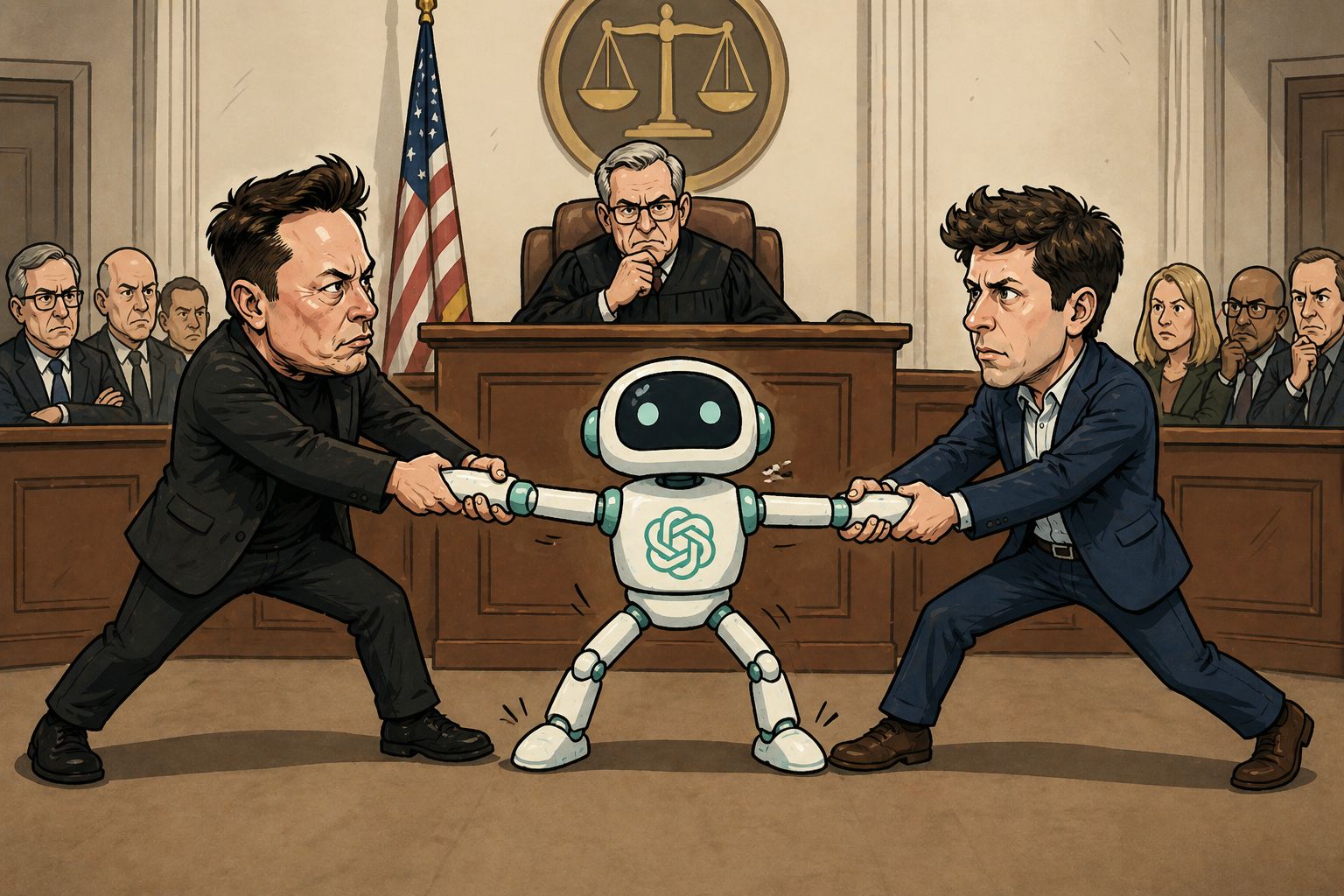
Artificial intelligence continues to move from a policy debate to a governing reality, with Washington, industry, and global regulators all grappling with its implications in real time. This week’s developments highlight the growing tension between innovation and oversight—from staffing challenges inside the federal government and emerging cybersecurity risks, to high-profile legal battles shaping the future of leading AI firms. At the same time, international actions from China and Europe underscore how AI is increasingly central to geopolitical competition and regulatory divergence. On Capitol Hill, lawmakers are also turning their attention to the infrastructure needed to support this growth, particularly the strain AI is placing on energy systems and critical networks.
In this week’s Nimitz Tech:
U.S.-China AI policy: China’s order to unwind Meta’s acquisition highlights increased scrutiny of cross-border AI investments and national security concerns.
AI cybersecurity developments: New AI systems capable of identifying software vulnerabilities are prompting closer government review of potential risks and uses.
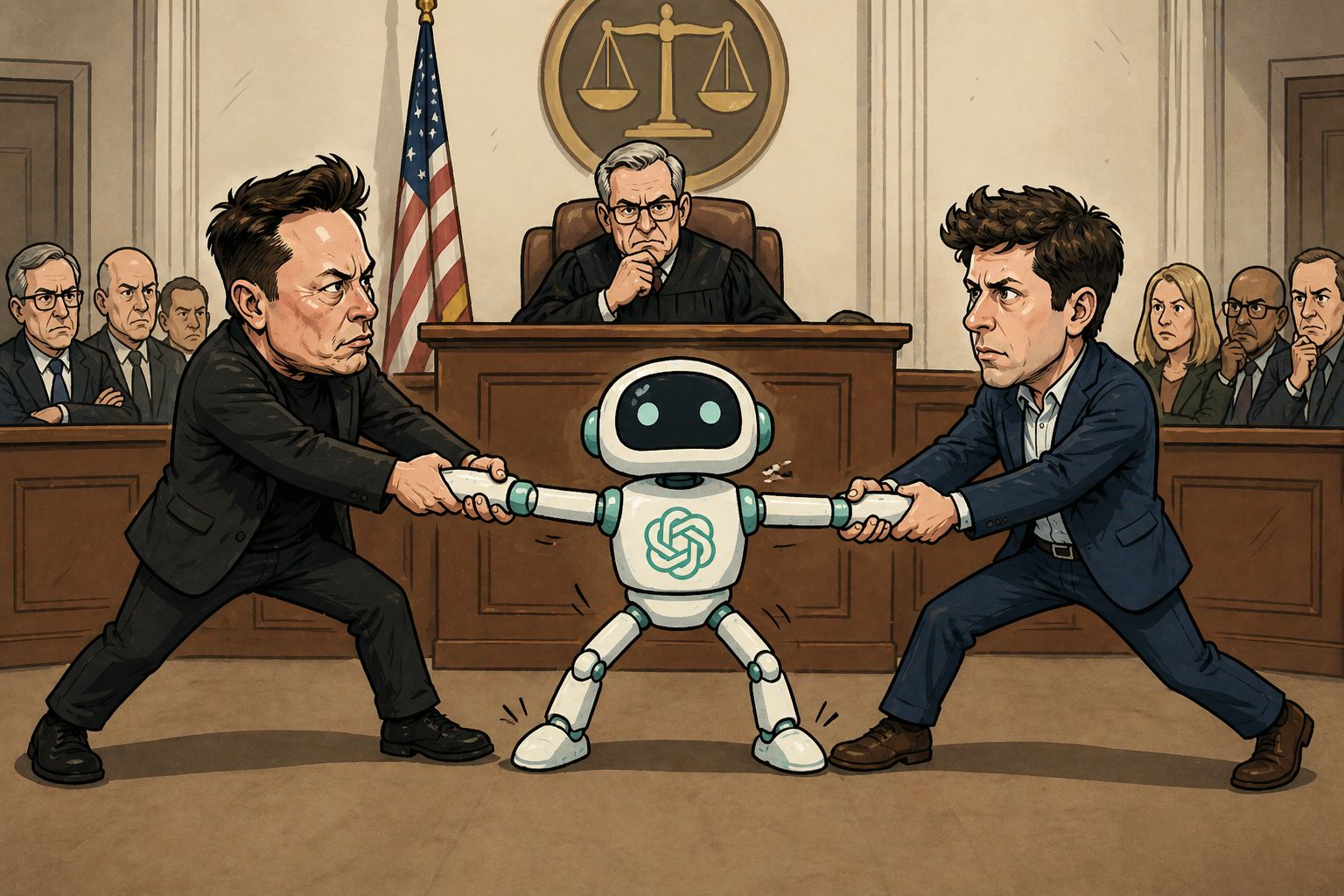
OpenAI litigation: Elon Musk’s lawsuit against OpenAI raises questions about the company’s governance and future business structure.
WHO’S HAVING EVENTS THIS WEEK?

Red: House event
Wednesday, April 29th
House Natural Resources: “Powering the 21st Century with American Copper” at 10:00am. Watch here.
House Homeland Security: “Data Centers, Telecommunications Networks, and Space-Based Systems: Modernizing DHS’s SRMA Role for the Communications and IT Sectors” at 10:00am. Watch here.
House Energy and Commerce: “AI and the Grid: Meeting Growing Power Demand While Protecting Ratepayers” at 10:15am. Watch here.
TECH NEWS DRIVING THE WEEK
In Washington
A Commerce Department appointee to lead a key federal AI center was pushed out after just four days, reflecting tensions between the White House and major AI firms as well as broader challenges in recruiting technical talent to government roles. Collin Burns, a former Anthropic researcher, was selected to head the Center for AI Standards and Innovation but was asked to resign amid concerns about his ties to the company and a lack of internal vetting. His removal comes as the administration navigates a contentious relationship with Anthropic and struggles to balance industry expertise with political considerations in shaping AI policy. The episode highlights the government’s reliance on private-sector talent in a rapidly evolving field, even as those connections raise questions about influence and trust.
A powerful new AI system developed by Anthropic, known as Mythos, has raised global concern among governments and cybersecurity experts due to its reported ability to rapidly identify and exploit software vulnerabilities. Early testing showed the model could uncover hundreds of previously undetected flaws, highlighting both its potential to strengthen defenses and its capacity to accelerate cyberattacks if misused. The Trump administration has begun coordinating across national security and cybersecurity agencies to assess the risks, reflecting growing urgency in Washington over AI’s near-term security implications. While the technology is currently restricted to a limited group of organizations, experts warn that similar capabilities could soon spread globally, raising concerns about automated hacking and broader digital threats. The development has intensified debate over how to regulate advanced AI systems while balancing innovation and security.
National
A high-stakes legal battle between Elon Musk and OpenAI CEO Sam Altman is set to go to trial, focusing on Musk’s claim that OpenAI abandoned its original nonprofit mission and misled him into supporting the organization financially. Musk is seeking more than $150 billion in damages and major structural changes, including removing Altman from the board and reversing OpenAI’s shift to a for-profit model, while OpenAI contends the claims are unfounded and driven by Musk’s competing AI interests. The case is expected to feature testimony from prominent technology leaders and could have significant implications for OpenAI’s future, including its expansion plans and potential public offering. Analysts say the outcome may reshape the competitive dynamics of the artificial intelligence industry and influence the broader global race for AI development.
International
China has ordered Meta to unwind its $2 billion acquisition of Manus AI, a Chinese-founded artificial intelligence firm that relocated to Singapore before the deal, marking a significant escalation in Beijing’s efforts to prevent the transfer of AI talent and technology abroad. Chinese regulators said the acquisition violated national security-related laws and are testing whether their authority can extend to companies that move operations overseas to avoid scrutiny. The move comes amid rising U.S.-China tensions over artificial intelligence and reflects a broader push by Beijing to curb “China-shedding,” in which domestic firms shift abroad for capital and growth. It remains unclear how China could enforce the reversal given Manus’s Singapore incorporation and Meta’s assertion that the deal complied with applicable laws, though authorities have already restricted the movement of key executives still in China. Analysts say the decision could trigger a political dispute between Washington and Beijing and may have a chilling effect on Chinese AI entrepreneurs and cross-border investment.
Elon Musk failed to appear for a scheduled meeting with French prosecutors investigating his social media platform X, escalating tensions between the company and European authorities amid a broader regulatory dispute. The investigation, which began in 2025 and included a police raid on X’s Paris office, involves potential violations ranging from the distribution of illegal content to data-related offenses, as well as concerns about the platform’s algorithm and its AI chatbot, Grok. Musk has dismissed the probe as a political attack, while X has denied wrongdoing and argued that the investigation undermines free speech. French officials indicated the case will proceed despite his absence, underscoring Europe’s willingness to hold tech companies—and their executives—accountable under stricter content and digital regulations. The standoff reflects a widening trans-Atlantic divide, with European governments pushing for stronger oversight and U.S. officials criticizing such measures as unfair and restrictive.
ADD TO THE NIMITZ NETWORK
Know someone else who would enjoy our updates? Feel free to forward them this email and have them subscribe here.
Additionally, if you are interested in our original publication on veterans affairs policy, check it out below:
|
