- Nimitz Tech
- Posts
- Nimitz Tech - Weekly 04-20-2026
Nimitz Tech - Weekly 04-20-2026
From Anthropic’s legal fight to new AI breakthroughs, here’s what’s shaping the policy landscape.
Technology policy continues to cut across national security, competition, and infrastructure debates in Washington and beyond, with this week’s developments highlighting the growing tension between rapid innovation and regulatory oversight. From AI shaping defense partnerships and procurement strategy, to renewed scrutiny of platform power, digital advertising practices, and the environmental footprint of data centers, policymakers are grappling with how to balance economic competitiveness with transparency, fairness, and security. Meanwhile, a full slate of hearings signals continued congressional focus on cyber threats, advanced manufacturing, and emerging technologies.
In this week’s Nimitz Tech:
EU data center secrecy: U.S. tech firms lobbied the EU to keep emissions data confidential, limiting transparency around AI infrastructure’s environmental impact.
Amazon antitrust case: California alleges Amazon pressured brands to raise prices across competitors, intensifying scrutiny of its marketplace practices.
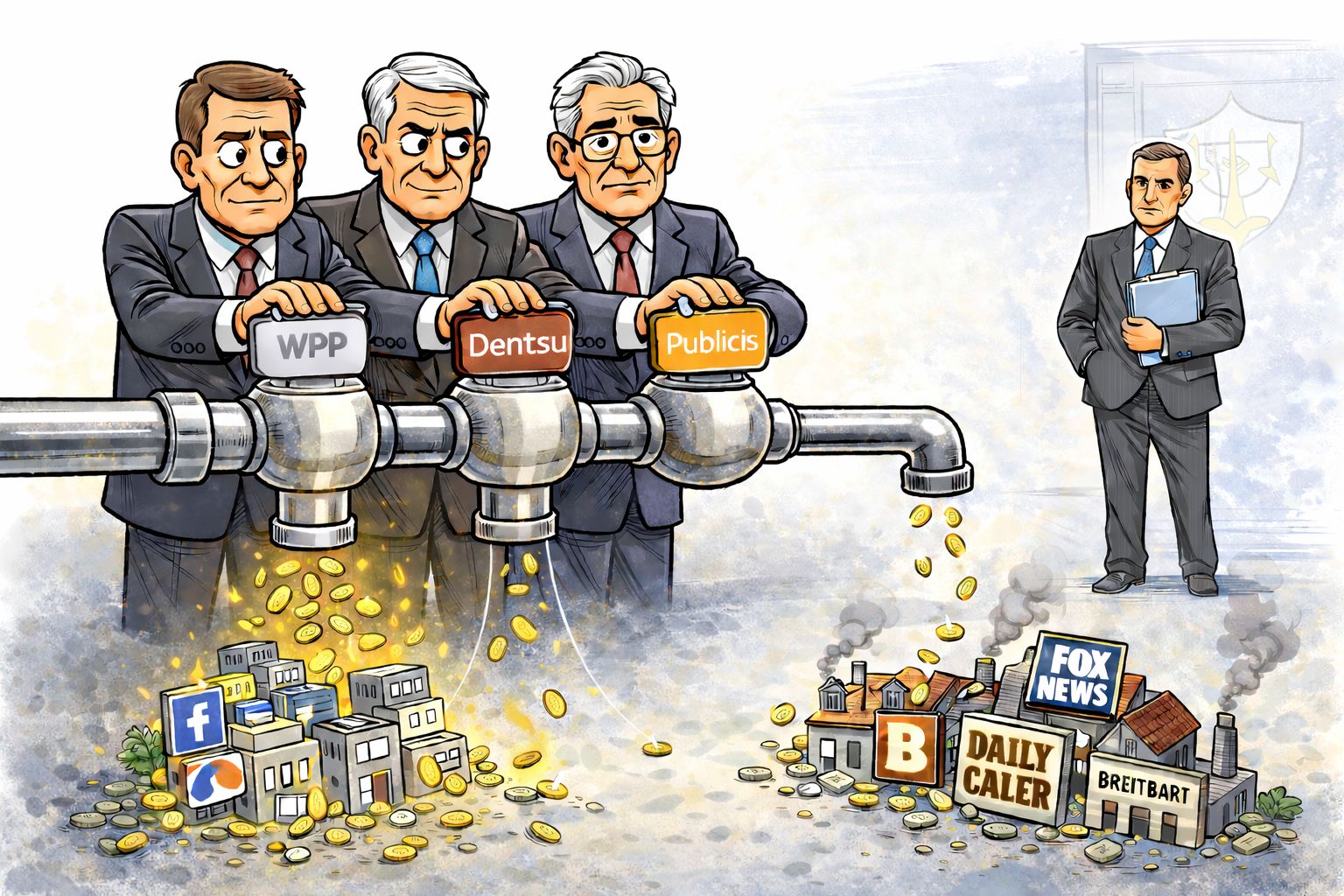
Ad industry settlement: Major ad firms agreed to FTC terms restricting coordinated ad policies tied to political content, amid claims of bias against conservative sites.
WHO’S HAVING EVENTS THIS WEEK?

Red: House event
Tuesday, April 21st
House Homeland Security: “Online Scams, Crypto Fraud, and Digital Extortion: An Examination of How Transnational Criminal Networks Target Americans” at 10:00am. Watch here.
House Science, Space, and Technology: “Robots Made in America: Advancing U.S. Leadership in Manufacturing and Automation” at 10:00am. Watch here.
House Energy and Commerce: “SAT Streamlining Act: Modernizing Satellite Licensing for the Final Frontier” at 2:00pm. Watch here.
House Armed Services: “Cyber Posture of the Department of Defense” at 3:30pm. Watch here.
TECH NEWS DRIVING THE WEEK
In Washington
The Trump administration and Anthropic are working toward a potential compromise following a “productive” White House meeting, after the Pentagon previously designated the A.I. company a “supply chain risk” amid a dispute over a $200 million defense contract and the use of its technology in warfare. The talks, which may lead to renewed collaboration outside the Pentagon, come as officials recognize the strategic importance of Anthropic’s powerful new A.I. model, Mythos, particularly for identifying cybersecurity vulnerabilities and protecting government networks. The conflict stems from Anthropic’s push to restrict its technology from being used in autonomous weapons or domestic surveillance, which the Pentagon رفض, escalating into legal battles and limiting government access to the company’s tools. Despite ongoing tensions and litigation, some defense engineers continue to advocate for Anthropic’s technology, while the government explores alternatives from other A.I. providers, underscoring broader challenges in balancing innovation, national security, and ethical safeguards in advanced A.I. deployment.
The Pentagon has begun early-stage discussions with Ford and General Motors to explore whether the auto industry can help produce military components more quickly and at lower cost, as U.S. weapons stockpiles are strained by ongoing conflicts and longstanding inefficiencies in defense procurement. Rather than building full weapons systems, automakers would likely manufacture specific parts, leveraging their expertise in high-volume production and cost efficiency, in a move reminiscent of World War II industrial mobilization. The effort reflects broader Trump administration concerns that traditional defense contractors are too slow and expensive, as well as a push to incorporate commercial manufacturing capabilities and technologies like 3-D printing into the defense supply chain. However, challenges remain, including whether military specifications can be adapted to existing commercial production systems and the need for specialized materials that may limit broader industry participation.
National
California has accused Amazon of engaging in price fixing in a newly unsealed filing tied to its ongoing antitrust lawsuit, alleging the company pressured major brands like Levi’s and Hanes to push competing retailers to raise prices when Amazon identified lower-priced listings elsewhere. The case, originally filed in 2022 and set for trial next year, claims Amazon used its dominant market position to penalize sellers who offered lower prices on other platforms and, in some instances, removed products rather than match discounts, prompting suppliers to intervene with rival retailers. Internal communications cited by the state suggest brands complied by contacting companies like Walmart and Target to increase prices, reinforcing allegations that Amazon’s practices contributed to higher costs for consumers. Amazon disputes the claims, arguing the filing misrepresents longstanding evidence and maintaining that it prioritizes low prices, even as it faces broader scrutiny from federal and state regulators over competition practices in online retail.
Three major advertising firms—WPP, Dentsu, and Publicis—have reached a settlement with the Federal Trade Commission over allegations that they coordinated policies aimed at limiting ads on websites labeled as misinformation, which the government said disproportionately reduced revenue for conservative publishers. The complaint, filed in federal court, argued that these practices made it harder for certain outlets, including right-leaning sites, to monetize lawful content, reflecting broader Trump administration concerns about anti-conservative bias in the digital advertising ecosystem. Under the settlement, the companies agreed not to collaborate on restricting ad placements based on political or social content, though they did not admit wrongdoing. The case is part of a wider push by the F.T.C. to investigate whether tech and media companies have unfairly limited conservative speech or revenue opportunities, alongside related inquiries into social media platforms and advocacy groups.
Voter sentiment in Virginia has shifted sharply against data centers, with new polling showing only 35 percent of residents now support building them in their communities, down from 69 percent in 2023, as concerns grow over rising energy costs, environmental impacts, and limited local benefits. The backlash has already influenced policy decisions, including Prince William County’s move to abandon a major proposed data center project, and reflects a broader national trend of increasing resistance to the rapid expansion driven by artificial intelligence demands. While data centers still generate tax revenue and jobs, many voters believe they strain power grids, raise utility bills, and degrade local environments, leading to growing political pressure, grassroots opposition, and legislative efforts to restrict development. The issue has become a significant challenge for policymakers balancing economic benefits with public concerns, as the industry continues to expand despite mounting resistance.
International
U.S. tech companies, including Microsoft, successfully lobbied the European Union to adopt a confidentiality provision that keeps detailed data center emissions and performance metrics hidden from public view, according to an investigation. The clause, incorporated almost verbatim from industry proposals into EU rules, prevents disclosure of facility-level environmental data and limits transparency to aggregated national figures, raising concerns among legal experts that it may violate EU transparency laws and international obligations under the Aarhus Convention. Critics argue the move shields the environmental impact of rapidly expanding, energy-intensive data centers—driven in part by AI demand—from scrutiny, while industry groups maintain that confidentiality is necessary to protect commercial interests. The policy reflects broader tensions between the EU’s goals of expanding digital infrastructure and ensuring environmental accountability, as well as the growing influence of tech lobbying on regulatory outcomes.
ADD TO THE NIMITZ NETWORK
Know someone else who would enjoy our updates? Feel free to forward them this email and have them subscribe here.
Additionally, if you are interested in our original publication on veterans affairs policy, check it out below:
|
