- Nimitz Tech
- Posts
- Nimitz Tech - Weekly 03-24-2026
Nimitz Tech - Weekly 03-24-2026
New federal proposals, key court rulings, and a packed hearing schedule set the tone for the week.
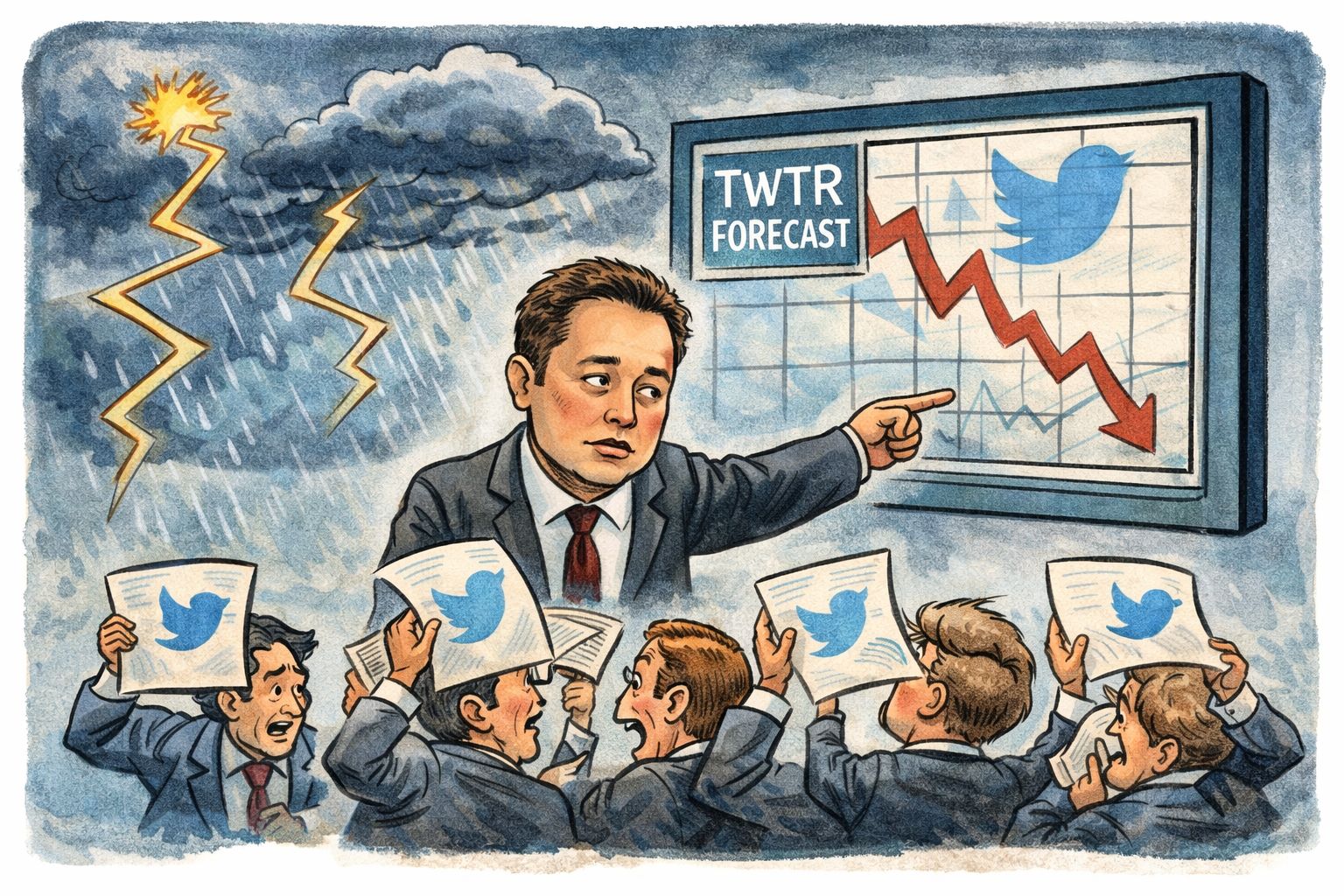
This week’s Nimitz Tech brings a steady mix of policy, legal, and geopolitical developments shaping the tech landscape in Washington and beyond. The White House is advancing a federal AI framework that could reshape the balance between national and state regulation, while Congress returns to a full slate of hearings on defense tech, energy systems, and emerging industries. At the same time, courts and regulators are weighing key cases—from the Musk–Twitter verdict to a major antitrust dispute—while export controls and transatlantic tensions continue to test how governments manage rapidly evolving technologies.
In this week’s Nimitz Tech:
White House AI framework: A proposed federal framework would limit state-level AI laws and set national standards.
Super Micro export case: An export case highlights ongoing challenges in enforcing U.S. restrictions on AI technology.
Elon Musk / Twitter verdict: A jury found some of Elon Musk’s posts contributed to investor losses in the Twitter deal.
WHO’S HAVING EVENTS THIS WEEK?

Red: House event
Blue: Senate event
Tuesday, March 24th
Senate Armed Services: “Hearings to examine enterprise security and information technology operations of Department of Defense networks and systems; to be immediately followed by a closed session at 3:45 p.m., in SVC-217” at 2:30pm. Watch here.
Wednesday, March 25th
Senate Committee on Energy and Natural Resources: “Hearings to examine the state of the bulk power system” at 9:30am. Watch here.
House Science, Space, and Technology: “The Future of Low Earth Orbit: From the ISS to Commercial Platforms” at 10:00am. Watch here.
Thursday, March 26th
House Science, Space, and Technology: “Beneath the Waves: The Science and Technology of Deep-Sea Mining” at 10:00am. Watch here.
House Financial Services: “Innovation at the Speed of Markets: How Regulators Keep Pace with Technology” at 10:00am. Watch here.
House Energy and Commerce: “The Telecommunications Act of 1996: 30 Years Later” at 10:15am. Watch here.
House Armed Services: “Information Technology Posture of the Department of Defense” at 3:30pm. Watch here.
TECH NEWS DRIVING THE WEEK
In Washington
The White House released policy guidelines urging Congress to pass federal legislation that would override state-level artificial intelligence regulations, arguing that a unified national framework is necessary to support innovation and maintain global competitiveness. The proposal includes measures to streamline data center development, limit liability for AI developers, and prevent government use of AI for censorship, while also incorporating safeguards such as protections for children, workforce training initiatives, and requirements that companies bear certain energy costs. The effort builds on a prior executive order directing legal challenges to state AI laws and has received support from Republican congressional leaders, though it faces criticism from public interest groups and ongoing concerns from states that have enacted stricter safety and accountability measures.
National
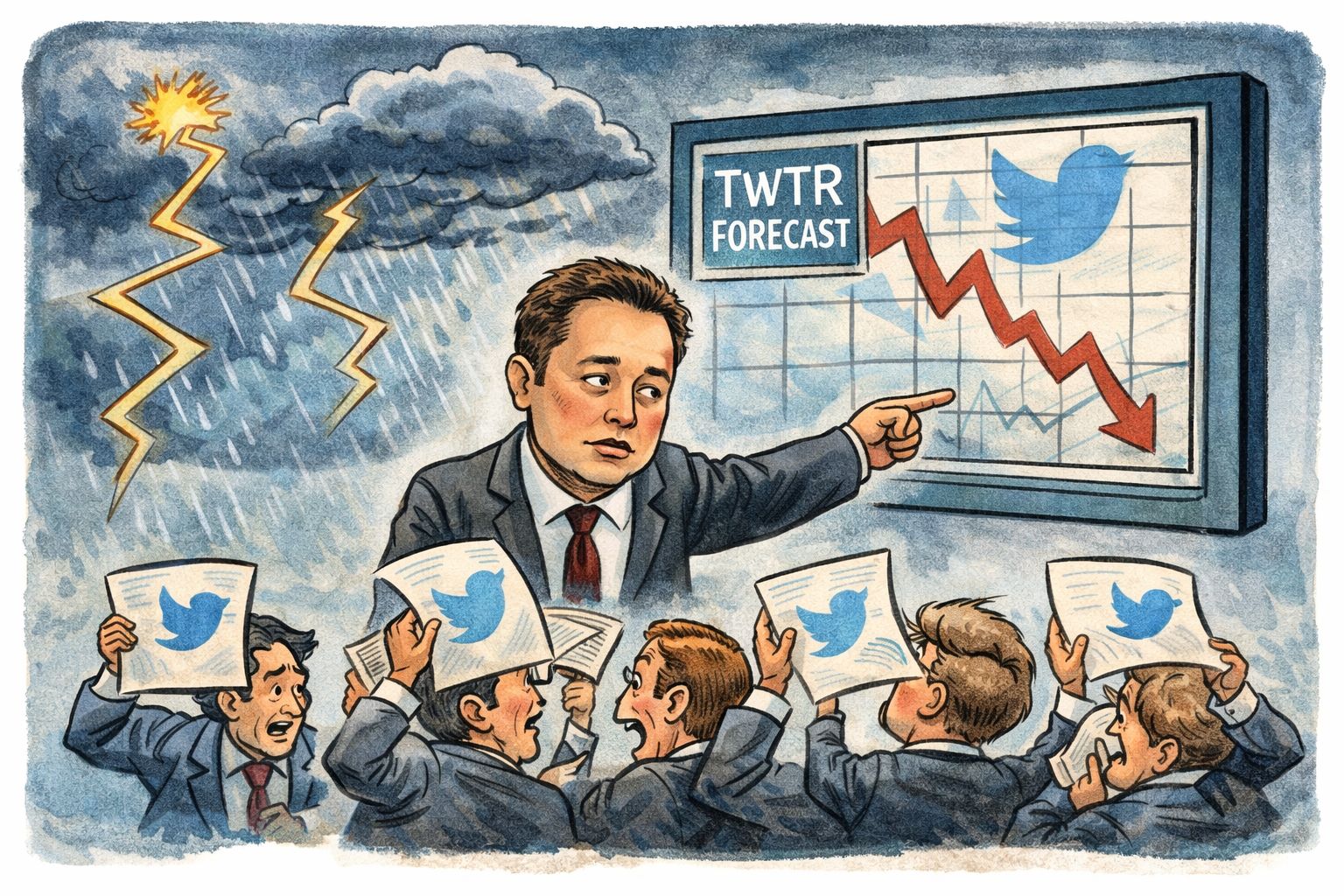
A federal jury found that Elon Musk is liable for some losses incurred by Twitter shareholders after his 2022 social media posts suggested his acquisition of the company was “on hold,” prompting investors to sell shares at lower prices. While jurors determined that certain statements about the deal contributed to financial harm, they did not conclude that Musk deliberately sought to manipulate the stock price or commit broader fraud. The case centers on claims that his public comments about bots and uncertainty around the deal affected market behavior, with potential damages estimated at around $2.5 billion to be determined in a later phase. The verdict marks a partial setback for Musk, who has previously prevailed in similar shareholder lawsuits.
A federal judge is reviewing a legal challenge from Democratic state attorneys general seeking to block a Justice Department settlement that allowed Hewlett Packard Enterprise to acquire Juniper Networks for $14 billion. The states argue the agreement failed to adequately address competition concerns and was influenced by improper political interference, alleging that career antitrust officials were sidelined during negotiations. The Justice Department and HPE dispute those claims, maintaining the settlement included meaningful remedies such as divestitures and licensing requirements. The case represents a significant test of the administration’s approach to antitrust enforcement, as states increasingly push back against what critics describe as a broader federal shift toward approving mergers and settling cases with less scrutiny.
International
In early 2025, aides to Vice President JD Vance directed a State Department office to examine how European regulators enforce online speech restrictions, focusing on the European Union’s Digital Services Act, which requires large platforms to limit harmful or illegal content. The effort coincided with broader policy changes, including barring some European researchers from entering the United States and dismantling federal initiatives aimed at countering foreign disinformation. Together, these moves reflect a shift in U.S. policy toward challenging European approaches to content moderation and framing them as constraints on free expression, contributing to growing tensions between the United States and Europe over digital regulation.
Federal prosecutors have charged three individuals tied to Super Micro, including a co-founder, with orchestrating a scheme to illegally export servers containing Nvidia artificial intelligence chips to China in violation of U.S. export controls. According to the indictment, the group used an intermediary company in Southeast Asia to place orders and then diverted the equipment to China while presenting fake servers for inspection, concealing the transfers. The case underscores ongoing challenges in enforcing restrictions on advanced AI technology exports, which U.S. officials view as critical to national security due to their potential military and surveillance applications. The defendants face criminal charges, and the company has stated it is cooperating with the investigation and has taken internal disciplinary actions.
ADD TO THE NIMITZ NETWORK
Know someone else who would enjoy our updates? Feel free to forward them this email and have them subscribe here.
Additionally, if you are interested in our original publication on veterans affairs policy, check it out below:
|
