- Nimitz Tech
- Posts
- Nimitz Tech Hearing - 1-29-2026
Nimitz Tech Hearing - 1-29-2026
News Flash: Examining the Impact of Ticket Sales Practices and Bot Resales on Concert Fans
⚡️ News Flash ⚡️
“Examining the Impact of Ticket Sales Practices and Bot Resales on Concert Fans”
Senate Committee on Commerce, Science, and Transportation
January 28, 2026 (recording linked here)
HEARING INFORMATION
Witnesses and Written Testimony (Linked):
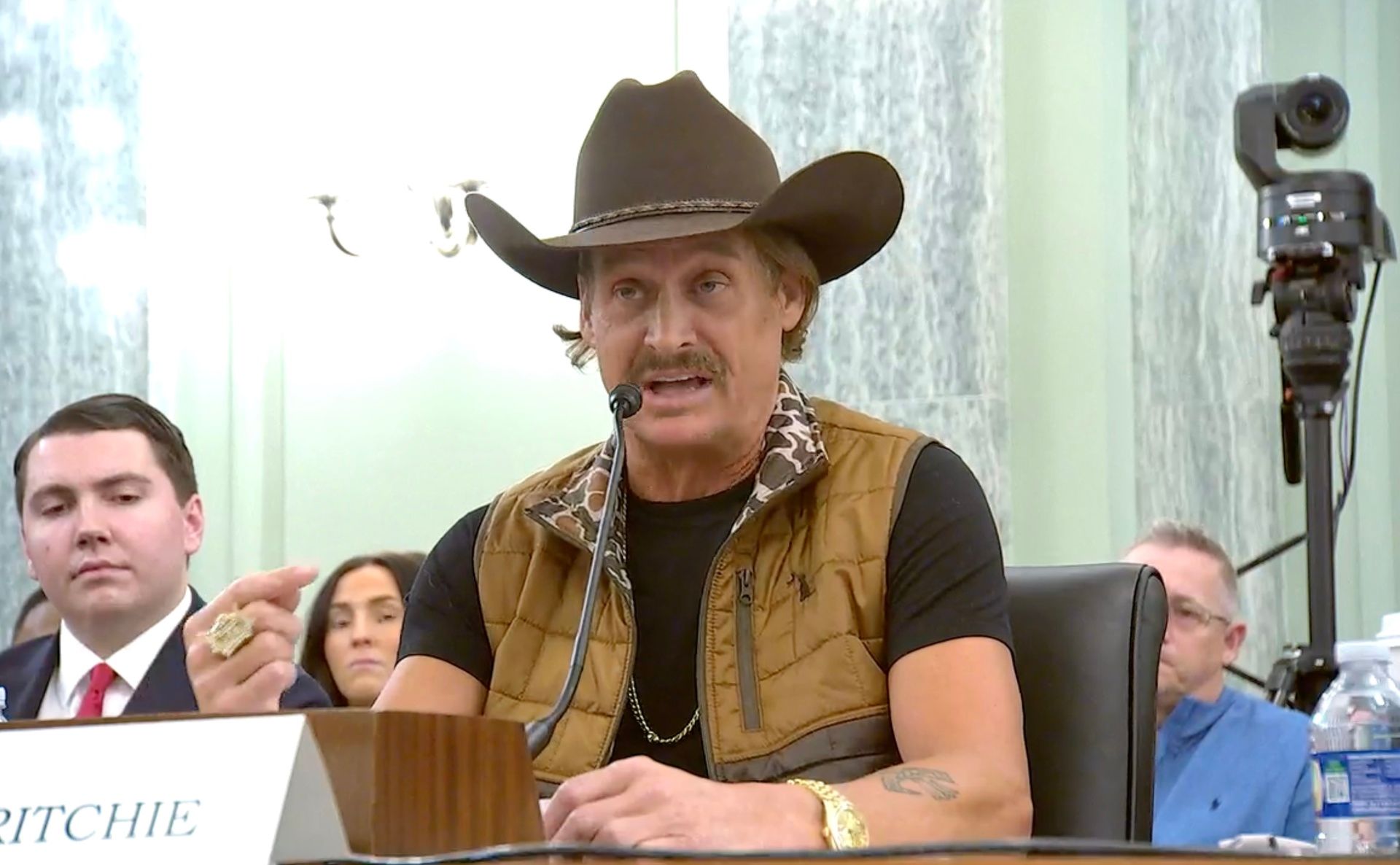
Mr. Robert “Kid Rock” Ritchie, Entertainer
Mr. Dan Wall, Executive Vice President of Corporate and Regulatory Affairs, Live Nation Entertainment
Mr. Brian Berry, Executive Director, Ticket Policy Forum
Mr. David Weingarden, Chair & Co-Founder, Colorado Independent Venue Association (CIVA) and Vice President for Concerts & Events at Z2 Entertainment
HEARING HIGHLIGHTS
Ticket Scalping, Bots, and Circumvention Technologies
The hearing devoted extensive attention to the widespread use of bots, multiple-account schemes, and emerging ticket-harvesting technologies that allow scalpers to bypass purchase limits and acquire large blocks of tickets. Testimony described a dramatic escalation in automated attacks, with platforms blocking hundreds of millions of bot attempts daily while still failing to stop abuse entirely. Participants highlighted that the problem had evolved beyond simple bots into coordinated networks using proxy services, fake accounts, and software designed to mimic human behavior. The persistence of these practices raised questions about platform responsibility, enforcement gaps, and whether existing safeguards were sufficient to protect consumers and artists.
Speculative and “Ghost” Ticketing in the Secondary Market
A central focus of the hearing was the sale of speculative tickets—listings for tickets that sellers do not yet possess or that may not exist at all. Witnesses described consumers paying high prices for tickets that later failed to scan, referred to nonexistent seats, or were tied to events that had not been scheduled. Independent venues emphasized that these practices created confusion and anger at the door, harmed fan trust, and damaged artist and venue reputations. There was broad agreement that deceptive speculative ticketing was inherently problematic and distinct from legitimate resale, making it a focal point for reform.
Market Concentration and Vertical Integration in Live Entertainment
The hearing examined how consolidation across artist management, promotion, venue ownership, primary ticketing, and resale affected competition and consumer outcomes. Testimony described how market dominance limited meaningful choice for artists and venues and contributed to uniform pricing structures and contractual restrictions. Independent promoters cited touring agreements and radius clauses that restricted where artists could perform, reducing competitive pressure and limiting access to alternative venues. The discussion framed market concentration as a structural issue that influenced ticket pricing, resale dynamics, and the overall health of the live entertainment ecosystem.
IN THEIR WORDS
“This wasn’t an experiment. It was a monopoly dressed up as innovation.”
“Fans are not angry that tickets are popular. What they are mad as hell about is that the system is stacked against them.”
“As long as tickets are still going this way, then we’re not up to par. That’s our position.”
SUMMARY OF OPENING STATEMENTS
Chair Blackburn opened the hearing by emphasizing widespread consumer frustration with the ticketing marketplace, describing it as rigged against fans who followed the rules yet were shut out by bots, scalpers, and deceptive resale practices. She highlighted stories of everyday Americans who lost tickets at checkout or unknowingly purchased nonexistent or speculative tickets at inflated prices. She argued that consumers were not angry about demand, but about a system that favored bad actors over fans. Blackburn criticized Ticketmaster and Live Nation for failing to prevent bot activity and resale abuse, despite existing laws like the BOTS Act. She welcomed renewed FTC enforcement and stressed the need to address speculative ticketing, deceptive resale practices, and excessive markups. She concluded by reaffirming the committee’s commitment to fairness, transparency, and restoring trust for fans and artists.
Ranking Member Hickenlooper emphasized the emotional and cultural importance of live music and sporting events, noting their ability to create community and lifelong memories. He stated that what was once a simple ticket-buying experience had become confusing, expensive, and riddled with hidden fees. He highlighted how fake and speculative tickets harmed fans, performers, and trust in the live entertainment industry. Drawing on Colorado’s experience, he pointed to state-level consumer protection laws addressing speculative tickets and all-in pricing as effective models. He praised recent federal actions, including FTC junk-fee enforcement and the BOTS Act, while stressing that more coordination and enforcement were needed. He concluded by underscoring bipartisan efforts to protect fans and preserve the live experience.
SUMMARY OF WITNESS STATEMENTS
Mr. Ritchie testified that artists and fans had been harmed for decades by a ticketing system dominated by powerful intermediaries. He stated that the Live Nation–Ticketmaster merger had failed to deliver promised benefits, instead increasing prices, reducing competition, and weakening artist control. He argued that artists should have authority over how and by whom their tickets were sold, as in any other business. Ritchie asserted that technology could have addressed bot and scalping problems, but was not implemented due to profit incentives in the secondary market. He advocated for resale price caps, strict enforcement of the BOTS Act, bans on speculative ticketing, and greater congressional scrutiny of industry contracts. He concluded by warning that monopoly power had been disguised as innovation and urged Congress not to repeat past mistakes.
Mr. Wall stated that Live Nation and Ticketmaster valued live entertainment and were proud of their role in expanding access to shows and artists. He acknowledged fan frustration and attributed much of the problem to increasingly sophisticated scalping technologies beyond traditional bots. He presented data showing a dramatic rise in bot attacks and fraudulent account creation, which Ticketmaster actively blocked at scale. Wall emphasized that Live Nation had invested in advanced defenses, identity verification, and artist tools such as face-value ticket exchanges. He noted recent policy changes limiting brokers to one account and enforcing ticket limits on resale postings. He concluded by arguing that broader compliance across the resale industry was necessary, as broker-driven platforms lacked incentives to self-police.
Mr. Berry stated that his organization represented major online ticket marketplaces that served millions of fans and provided refund-backed, transparent resale transactions. He argued that resale marketplaces helped prevent empty seats and moved ticket resale away from unsafe street-corner practices. Berry contended that many consumer harms originated earlier in the ticketing chain due to monopolistic control over artists, venues, promotion, and ticketing. He expressed support for all-in pricing, BOTS Act enforcement, bans on deceptive websites, and limits on speculative ticketing. He endorsed passage of the TICKET Act, acknowledging it would require significant changes from his member companies but would benefit fans. He cautioned against reforms that would eliminate legitimate resale or further entrench monopoly power under the guise of consumer protection.
Mr. Weingarten testified that independent venues were forced into advocacy due to the scale and harm of ticket scalping. He described widespread consumer deception, including fake events, nonexistent seats, misleading guarantees, and inflated prices when cheaper box-office tickets were available. He highlighted aggressive search advertising that steered fans toward resale sites and detailed examples of speculative and “seat saver” tickets that were not real tickets at all. Weingarten stated that when problems occurred, fans blamed venues and artists rather than resellers, leaving venues to handle the fallout without sharing in resale profits. He urged Congress to ban speculative ticketing without loopholes, cap resale prices and fees, prohibit deceptive URLs and advertising, and strengthen BOTS Act enforcement. He concluded that protecting affordability and trust in live music was essential to preserving its role as a unifying force.
SUMMARY OF KEY Q&A ROUND ONE
Sen. Blackburn asked how Ticketmaster could claim it did everything possible to stop circumvention given the FTC’s allegations. Mr. Wall responded that Ticketmaster had significantly increased resources, leadership oversight, and bot-blocking efforts, though the scale of attacks continued to grow.
Sen. Blackburn asked whether resale marketplaces faced similar bot problems and how sellers were vetted. Mr. Berry responded that marketplaces verified sellers and actively fought bots while arguing that resale platforms reduced black-market activity.
Sen. Blackburn asked whether those verification claims were credible at scale. Mr. Weingarten responded that he did not believe meaningful seller verification was feasible at the volume described.
Sen. Blackburn asked how resale price gouging affected fans. Mr. Ritchie responded that fans were being priced out and that transparency reforms alone did not fix a system tilted toward scalpers.
Sen. Klobuchar asked why breaking up Live Nation–Ticketmaster would improve competition. Mr. Berry responded that monopoly power and exclusive contracting foreclosed competition and harmed fans.
Sen. Klobuchar asked how anticompetitive practices affected independent venues. Mr. Weingarten responded that all-or-nothing touring, ticketing, and radius clauses constrained independent promoters.
Sen. Klobuchar asked whether the Justice Department case should be decided on law and facts rather than political pressure. Mr. Wall responded that it should and said Live Nation expected to prevail.
Sen. Klobuchar asked how these market dynamics affected smaller artists. Mr. Ritchie responded that smaller acts faced the same resale and pricing problems once demand increased.
Sen. Schmitt asked whether transparency and banning speculative tickets were sufficient to fix ticketing problems. Mr. Ritchie responded that those steps were helpful but did not ensure tickets reached fans at artist-set prices.
Sen. Schmitt asked whether Ticketmaster should disclose how many tickets were truly available at onsale. Mr. Wall responded that Ticketmaster supported transparency but cautioned that detailed inventory disclosures could aid brokers.
Sen. Luján asked how resale platforms verified tickets before listing them and whether they guaranteed entry. Mr. Berry responded that platforms relied on seller accountability and refund guarantees while supporting greater interoperability with primary systems.
Sen. Luján asked whether speculative ticketing should be banned. Mr. Ritchie, Mr. Wall, Mr. Berry, and Mr. Weingarten each responded that speculative ticketing should be eliminated, though witnesses differed on whether existing legislative language fully accomplished that goal.
Sen. Luján asked whether Ticketmaster disciplined brokers who circumvented safeguards. Mr. Wall responded that brokers had been disciplined and restricted.
Sen. Cruz asked what the biggest problem was for music fans. Mr. Ritchie responded that the core problem was tickets not reaching fans at prices artists set.
Sen. Cruz asked why artists lacked control over ticket inventory. Mr. Ritchie responded that artists needed authority to restrict resale and set clear pricing tiers.
Sen. Cruz asked why artists could not buy all tickets to their own shows. Mr. Wall responded that venues owned the ticket licenses and would not relinquish property rights. Mr. Berry responded that consumers still needed legitimate resale options. Mr. Weingarten responded that bulk broker purchases harmed venues through no-shows and chargebacks.
Sen. Blunt Rochester asked whether the ticketing industry was prepared for AI-driven cyberattacks. Mr. Berry responded that bot threats were evolving and required constant adaptation.
Sen. Blunt Rochester asked what Live Nation was doing to secure the marketplace. Mr. Wall responded that the company was investing heavily in AI defenses and identity verification.
Sen. Blunt Rochester asked whether ticket-transfer restrictions reduced fraud. Mr. Weingarten responded that he was unsure they reduced fraud and said transfers were sometimes necessary for fans.
Sen. Cantwell asked how radius clauses and touring contracts restricted competition and artist choice. Mr. Weingarten responded that expansive radius clauses locked artists into Live Nation venues across large regions.
Sen. Cantwell asked whether market concentration limited artist flexibility. Mr. Ritchie responded that ownership concentration allowed dominant players to lock up developing acts and crowd out independents.
Sen. Lummis asked whether Ticketmaster was a monopoly. Mr. Wall responded that it was not and cited market-share analyses below monopoly thresholds.
Sen. Lummis asked whether artists held leverage in the current system. Mr. Ritchie responded that artists did not and needed control to get tickets to fans without middlemen. Mr. Berry responded that dominant market power functioned like a monopoly and urged DOJ action. Mr. Weingarten responded that monopolistic control and scalping shifted risk onto venues and artists.
Sen. Hickenlooper asked what happened when fans arrived with fake or speculative tickets. Mr. Weingarten responded that fans were frequently turned away with no immediate recourse, leaving venues to manage the fallout.
Sen. Hickenlooper asked whether artists should share in resale revenue through dynamic pricing. Mr. Ritchie responded that revenue sharing would not fix the problem and that clear upfront tiered pricing was preferable.
Sen. Markey asked whether witnesses supported all-in pricing, banning speculative ticketing, prohibiting deceptive resale practices, and providing refunds for canceled events. Mr. Ritchie, Mr. Wall, Mr. Berry, and Mr. Weingarten each responded that they supported all of those provisions.
SUMMARY OF KEY Q&A ROUND TWO
Sen. Blackburn asked why Ticketmaster executives would describe “turning a blind eye” to scalper violations if no wrongdoing had occurred. Mr. Wall responded that the cited email was taken out of context and said Ticketmaster had invested heavily in bot defenses, though abuse persisted.
Sen. Blackburn asked why bots and scalpers were still getting through. Mr. Wall responded that Ticketmaster viewed any remaining abuse as evidence more work was needed.
Sen. Blackburn asked whether Ticketmaster accepted responsibility when fans were harmed by speculative or ghost tickets. Mr. Wall responded that Ticketmaster did not allow such tickets on its platform and therefore bore no responsibility.
Sen. Blackburn asked whether resale marketplaces accepted responsibility. Mr. Berry responded that his members served tens of millions of fans and were accountable for transactions.
Sen. Blackburn asked why Ticketmaster could not implement artist-controlled tiered pricing and resale restrictions. Mr. Wall responded that Ticketmaster did not set prices but offered artists tools to tier pricing and disable resale.
Sen. Blackburn asked whether artists were aware of those options. Mr. Ritchie responded that he had only recently learned of them and questioned why they were not clearly disclosed.
Sen. Blackburn asked why Ticketmaster previously allowed brokers to maintain multiple accounts. Mr. Wall responded that multiple accounts had been standard practice for brokers across the industry.
Sen. Blackburn asked whether venues observed abuse from this practice. Mr. Weingarten responded that venues regularly saw large volumes of fraudulent orders tied to scalpers and attempted to cancel them.
Sen. Blackburn asked why Ticketmaster allowed system abuse for years before changing its policies. Mr. Wall responded that escalating abuse prompted policy changes. Mr. Ritchie added that allowing multiple accounts benefited Ticketmaster because resale generated additional revenue.
Sen. Blunt Rochester asked how much control artists had over the final ticket price paid by fans. Mr. Ritchie responded that artists controlled base prices but not added fees, which caused fan frustration.
Sen. Blunt Rochester asked whether all-in pricing had improved the market and should be codified. Mr. Wall, Mr. Berry, and Mr. Weingarten each responded that all-in pricing had worked and should be made law.
Sen. Blackburn asked what percentage of resale tickets came from brokers. Mr. Berry responded that he did not have a specific percentage but said all sellers were subject to the same rules.
Sen. Blackburn asked whether venues agreed. Mr. Weingarten responded that venues strongly disagreed and experienced broker-driven abuse daily.
ADD TO THE NIMITZ NETWORK
Know someone else who would enjoy our updates? Feel free to forward them this email and have them subscribe here.
Update your email preferences or unsubscribe here © 2026 Nimitz Tech 415 New Jersey Ave SE, Unit 3 |